




Jenna Hicks
Vice President of Client Engagement at Liquidware
Liquidware is a leader in digital workspace management solutions, helping organizations modernize and manage hybrid environments. As the company expanded, its leadership team recognized a gap: although sellers had deep technical expertise, customers often didn’t fully understand the organizational value Liquidware could deliver.
The intent to sell on value was already strong. The team had even built their own internal ROI model. But the approach depended on individual sellers, varying in depth, rigor, and timing, and didn’t consistently tell a compelling story early enough in the cycle. Liquidware needed a more scalable, professionalized way to connect capabilities to tangible business outcomes.
Before Ecosystems, Liquidware’s sales motion often began with technical benefits rather than business impact. This meant sellers were sometimes entering opportunities after larger competitors had already framed the value narrative.
As Thomas Lahaussois, Technical Director, Strategic Alliances at Liquidware, recalled, their solution was frequently the right fit, but the timing was wrong. Customers later admitted they wished Liquidware had been included in the earliest evaluation rounds.
At the same time, the internal ROI tool the team developed created its own challenges. It was manual, time-consuming, and required each seller to initiate and construct their own version, resulting in inconsistent outputs and missed opportunities to standardize a stronger story.
Jenna Hicks, Vice President of Client Engagement at Liquidware, described it plainly: the intent was right, but the process didn’t scale. What they needed was a unified platform that could elevate the conversation, streamline how value was quantified, and give sellers something they could confidently bring to executives.
Liquidware turned to the Ecosystems Collaborative Value Assessment (CVA) to rebuild its value selling motion from the ground up. The platform created a shared environment—structured, guided, and easy to tailor—that sellers could use to frame value with customers earlier and more consistently.
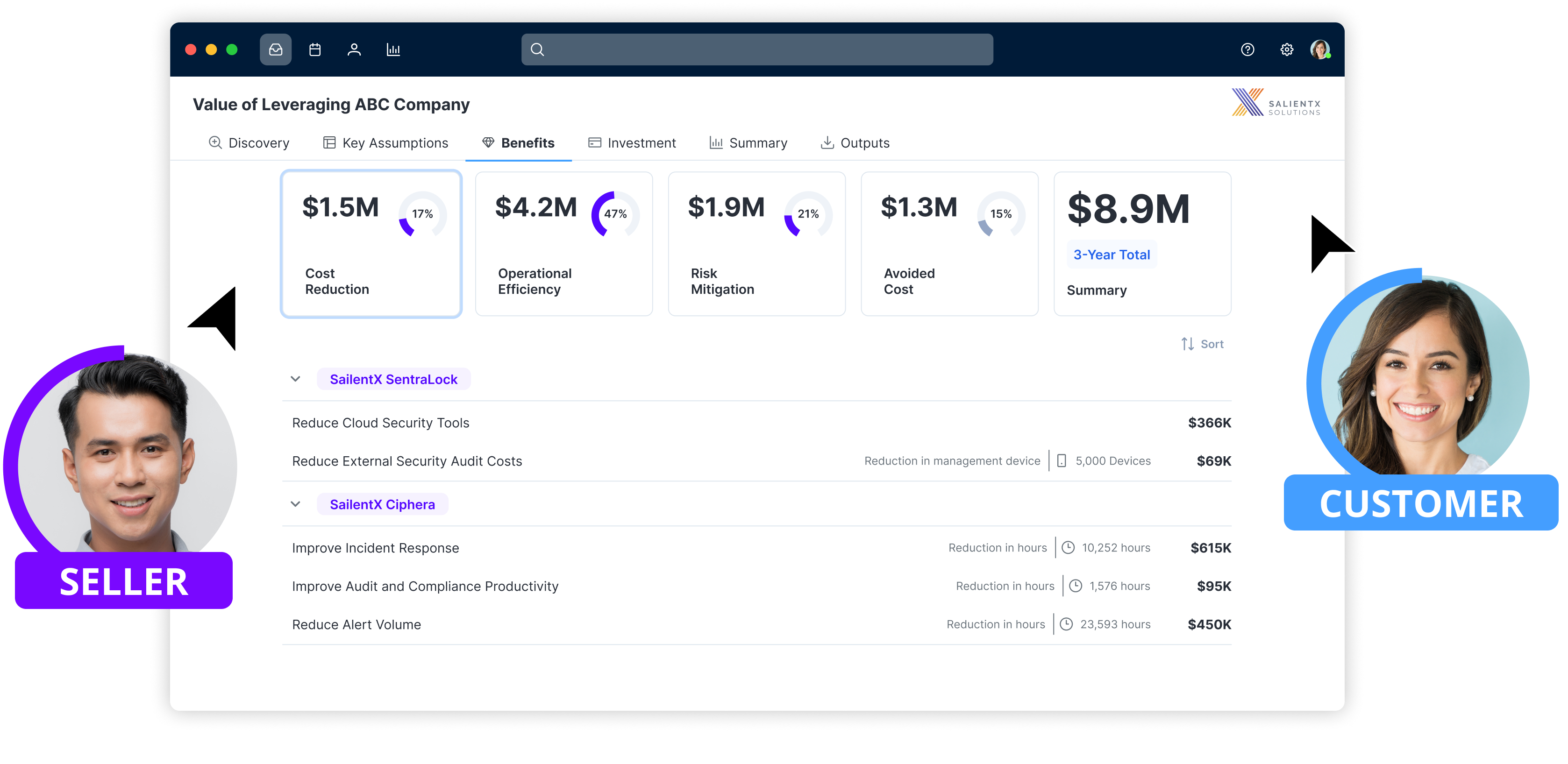
Initially, being new to Ecosystems, some of their sellers were hesitant on when and how to bring up the conversation. Ecosystems’ Express Business Case provided an easier, simpler entry point to pull up during a customer call.
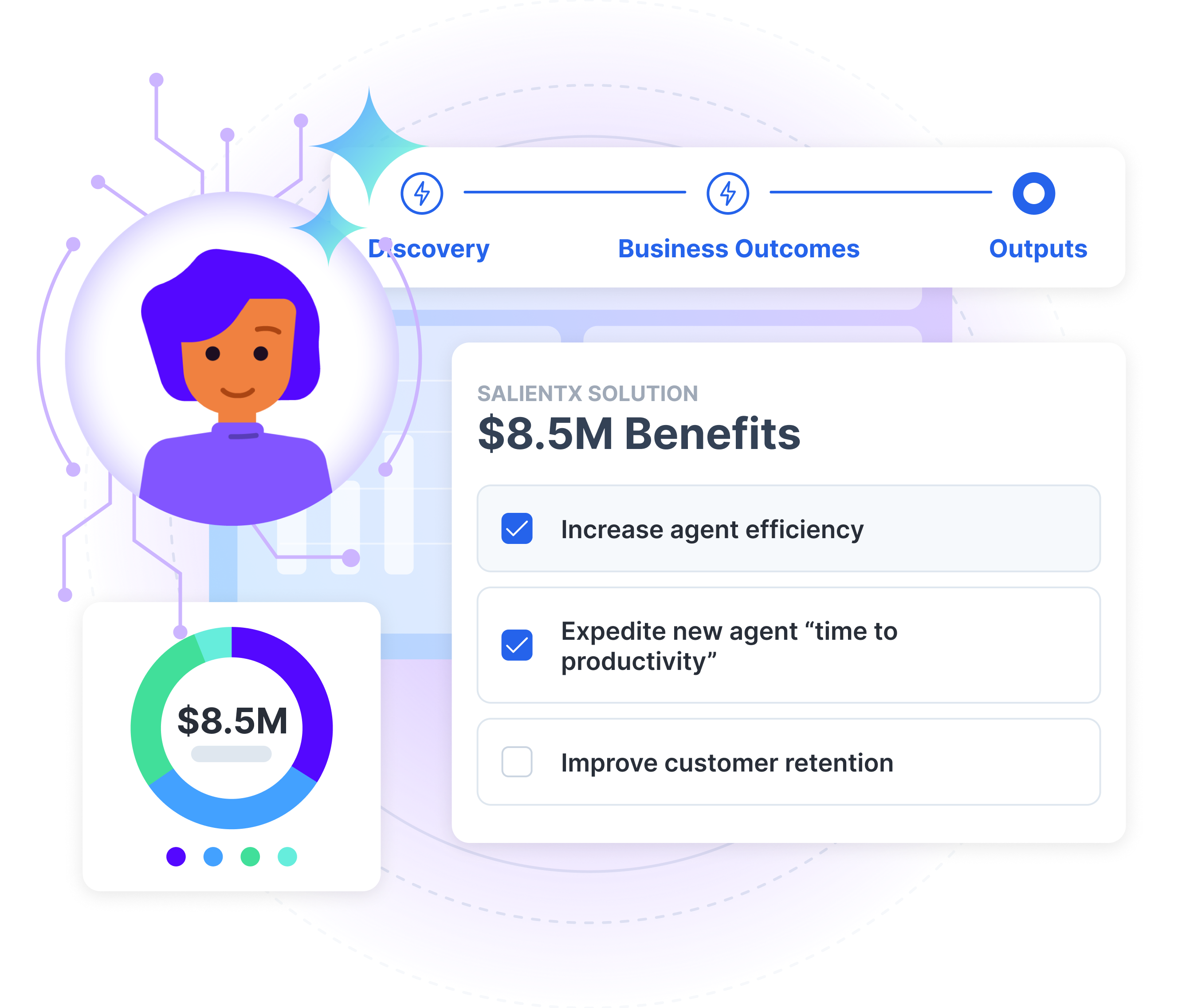
The Express Business case introduces a new, easier three-step flow:
Thomas Lahaussois, Technical Director, Strategic Alliances at Liquidware found that two key areas really stood out during implementation:
Ecosystems platform is customizable and not reliant on only one individual, ensuring it will sustain over time.
Ecosystems’ Value Consulting & Value Engineering teams were able to “truly understand [Liquidware’s] solution technically and the benefits that it drives,” with Jenna noting that “the details and specificity has been truly impressive.” The Ecosystems team also challenged Liquidware’s initial thoughts and calculations, which helped them refine the process. Jenna explained that, “if we were working with any other team or working on our own, we may not be where we are and we may not have as strong of a final product.”
Standardizing Value Narratives
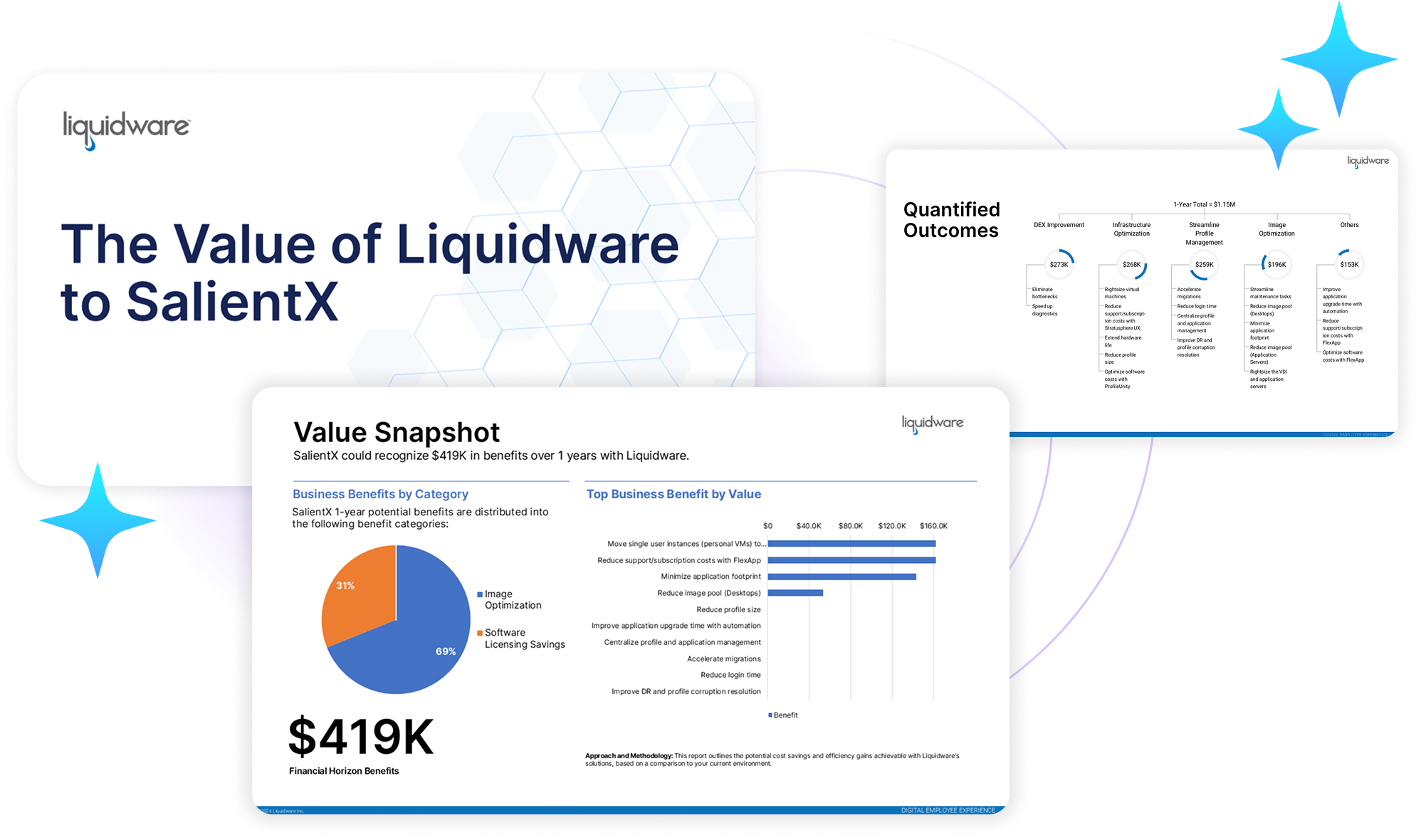
One of the most immediate wins was replacing ad hoc spreadsheets and “back-of-the-napkin math” with a polished, consistent output sellers could rely on. The professional presentation of Ecosystems’ business cases elevated the credibility of the value story, not only with prospects, but internally across the sales team.
The standardization also removed friction: sellers no longer needed to reinvent frameworks or manually rebuild calculations. They could focus on discovery and customer alignment, while the platform ensured the story remained clear, defensible, and on-brand.
Boosting Seller Confidence
The Liquidware team explained that one of the biggest differences they see is “the attitude and approach that our sellers have with our customers.” The business cases helped them articulate financial impact with far greater clarity, giving them the confidence to engage executives earlier and more assertively.
Conversations started to feel less like product pitches and more like strategic discussions. Sellers felt supported by a consistent model that they knew reflected real, defensible benefits—something they could stand behind with conviction.
This gives sales reps “renewed confidence, not just in our technology, but in what it gives the customer – and that’s priceless because you can feel it with sellers. They can go into customer calls with the confidence of saying, ‘Yes, we can definitely have an impact on your financials.” – Jenna Hicks, Vice President of Client Engagement at Liquidware
Co-Defining Value with the Customer
Moving from static ROI slides to live, co-created value assessments fundamentally changed how customers engaged. Sellers reported that customers leaned into the process, offering inputs, asking deeper questions, and ultimately shaping a shared narrative.

Jenna Hicks
Vice President of Client Engagement at Liquidware
Within months of implementing Ecosystems, Liquidware began seeing concrete results that validated the shift to a standardized value approach.
One standout example came from a seller who used the platform to illustrate that the customer’s first-year savings alone would pay for a three-year agreement. This clarity led the customer to commit upfront to the full term—tripling the revenue of the opportunity.
Across the field, sellers began introducing value earlier and more proactively, helping Liquidware shape the narrative from the first conversation instead of being added later in the evaluation. The company identified five specific points in the sales cycle where value now plays a role, from initial discovery through renewal, which is helping reshape how the team approaches deals of all sizes.
Importantly, the internal culture also began to shift. Sellers moved from relying primarily on technical expertise to developing a more strategic, consultative posture. The platform became not only a tool for ROI, but an anchor for more sophisticated customer engagement. They’re also reimagining how they can improve their solutions to drive greater customer value and more opportunities.
Jenna Hicks
Vice President of Client Engagement at Liquidware
Liquidware operates on a subscription model, which makes ongoing value justification essential. The team sees Ecosystems as the foundation for delivering on that promise.
With the CVA, Liquidware can project value during the sales cycle and later return to those same metrics to validate year-over-year impact. This creates accountability, transparency, and a more collaborative customer relationship.
In the long term, Liquidware expects this closed-loop process to inform product strategy, highlight areas where customers expect additional value, and even uncover new opportunities based on real-world outcomes. The shift isn’t just operational; it’s cultural, encouraging deeper partnership and continuous improvement.
Read our latest research, What We’ve Learned From the Field: Why Most Build Strategies Stall Before They Scale, for insights from our Customer Value Community.
Learn MoreLiquidware is a leader in digital workspace management solutions delivering visibility, flexibility, and performance across hybrid environments. From assessment to user experience monitoring and application layering, Liquidware enables organizations to modernize workspaces and deliver greater value to their users.
To discuss how Ecosystems can partner with your organization, please visit www.ecosystems.io/contact.